Home › Chilli Growing Guide › Chapter 1
Getting Started: Growing Chillies in the UK and Choosing Your Varieties
The aim is not simply to keep chilli plants alive. It is to understand them well enough to produce healthy plants and exceptional harvests.
IN THIS CHAPTER
KEY FACTS
Start with: four to six varieties, two or three plants of each
Beginner-friendly: Capsicum annuum types
Choose by use: fresh cooking, drying, sauces or a super-hot challenge
Keep records: sowing, potting, feeding, flowering and harvest
Start indoors: January or February
1. Why grow chillies in Britain?
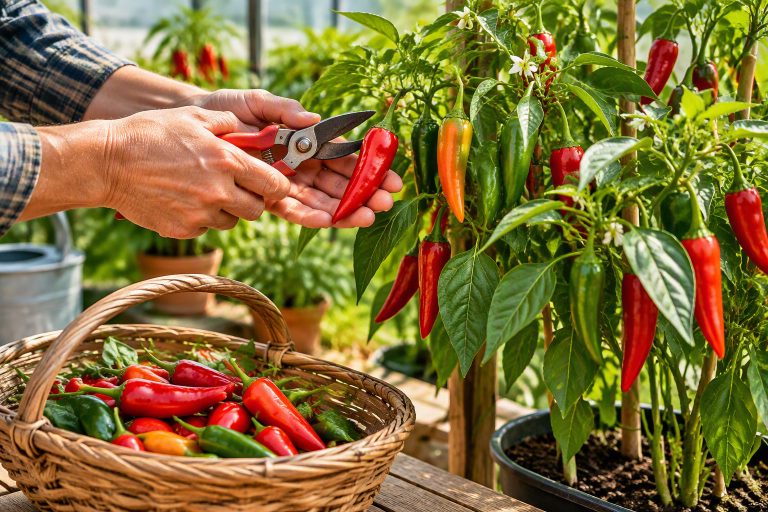
Growing chillies in Britain is rewarding because a small area can produce an extraordinary range of flavours, colours and heat levels. The UK season is shorter and less predictable than a tropical season, but careful timing, protected cultivation and good record keeping make reliable harvests possible. Home growers can also select varieties for flavour rather than transportability or uniformity, and fully ripened pods often develop more sweetness, aroma and character than fruit picked early for retail distribution.
British growers have real advantages too. Long summer days, a strong greenhouse tradition and the suitability of chillies for container culture all work in our favour, so patios, balconies, conservatories, greenhouses and polytunnels can each become productive growing spaces. What matters most is the grower’s mindset: successful growers are observant, patient, organised and consistent. Records of sowing, potting, feeding, flowering and harvest turn each season into useful evidence for the next.
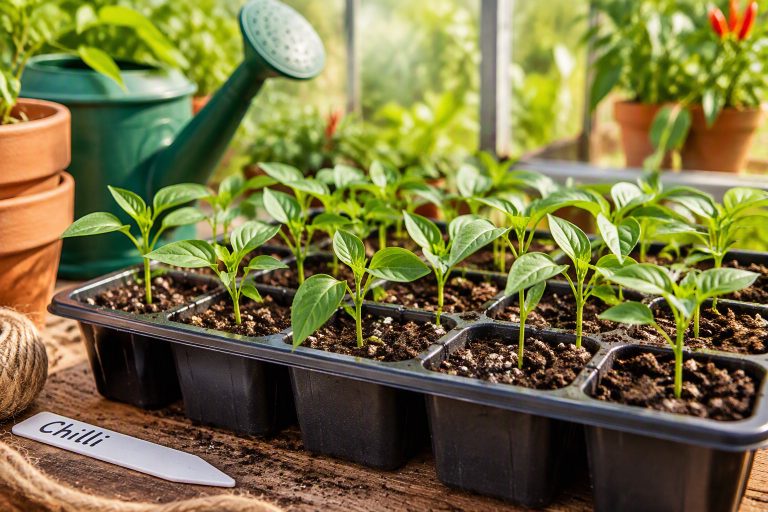
Three simple tricks help you make the most of the British season. Protected spaces such as greenhouses, polytunnels, conservatories and south-facing windowsills give plants a head start in early spring and shelter late-ripening pods from autumn cold snaps. A warm, sheltered patio against a south-facing brick wall creates an ideal outdoor microclimate, because the wall absorbs heat during the day and radiates it back to your pots at night. And growing in containers lets you move plants to chase the sun, shelter them from heavy summer rain or bring them indoors when early autumn frosts threaten.
2. Choosing your varieties
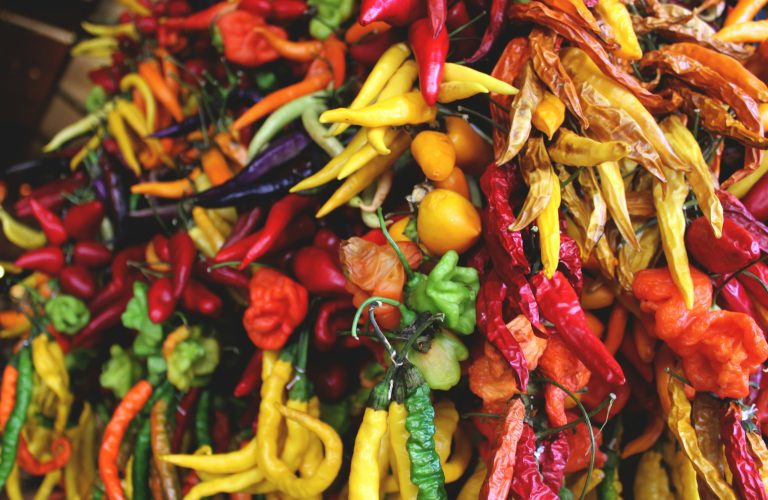
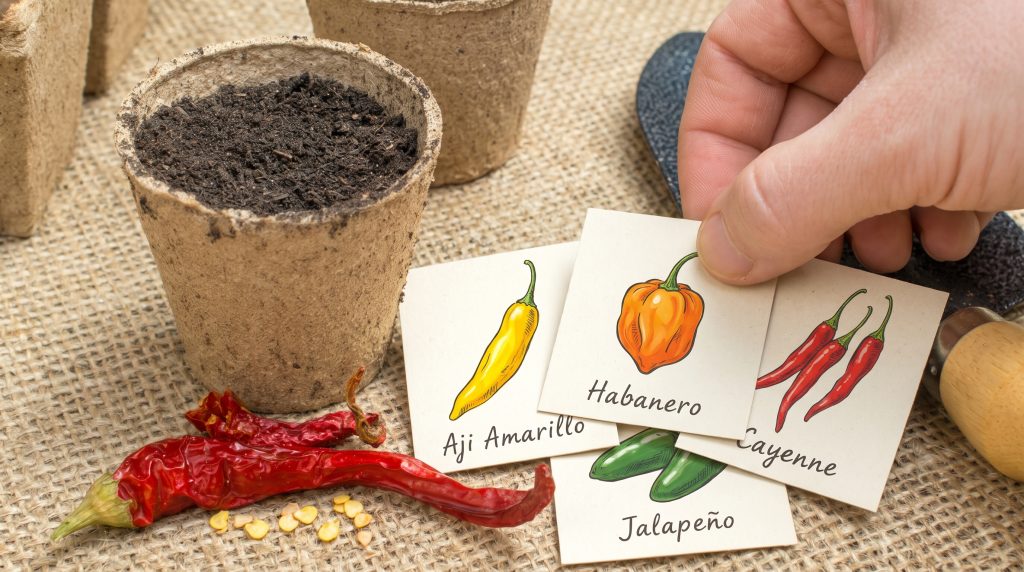
Heat is not everything, so choose a variety for its intended use. Jalapeños and Serranos suit fresh cooking; Cayennes and Bird’s Eye types dry well; Habaneros, Scotch Bonnets and Fatalii bring distinctive aroma to sauces; and super-hots are specialist crops requiring long seasons and careful handling.
It also helps to know the five principal cultivated species. Capsicum annuum is the most beginner-friendly and fast-maturing species and suits the British climate well; examples include Jalapeño, Serrano, Cayenne, Hungarian Hot Wax, Padrón, Ring of Fire, Apache, Prairie Fire and bell peppers. C. chinense brings rich, aromatic, fruity flavours and intense heat but needs a long season and plenty of warmth: think Habanero, Scotch Bonnet, Dorset Naga, Bhut Jolokia (Ghost), Moruga Scorpion and Carolina Reaper. C. baccatum produces vigorous, tall plants with fruity, citrus-flavoured pods such as Aji Lemon (Lemon Drop). C. pubescens includes the Rocotos, distinctive cool-tolerant plants with dark, hairy leaves and black seeds that can tolerate temperatures as low as 5°C. C. frutescens covers compact, heat-loving shrubby plants such as Tabasco and African Bird’s Eye (Peri-Peri).
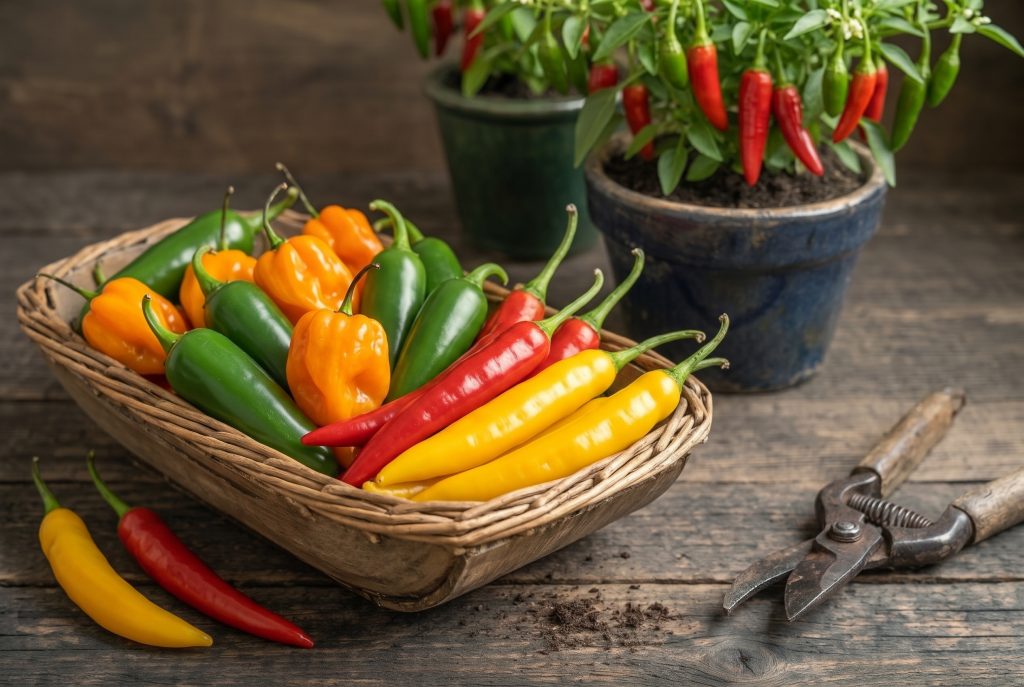
In practice, a balanced UK collection might include a reliable Jalapeño, a Cayenne for drying, a Lemon Drop for citrus character, a Habanero for sauce and one super-hot challenge. Start with four to six varieties and two or three plants of each rather than overwhelming the space you have. For heat levels, maturity times and the best growing spot for over twenty popular varieties, see the A–Z of Chillies.
If you only have a kitchen worktop, windowsill or small balcony, look for compact and dwarf cultivars that grow just 20–40 cm tall. Good options include Stumpy, Pyramid, Loco, NuMex Twilight, Bolivian Rainbow, Peruvian Purple, Basket of Fire, Medusa, Demon Red and NuMex Easter.
CHAPTER CHECKLIST
- Set a clear growing goal.
- Start a simple record book, such as the free Chilli Grower’s Record Sheet.
- Choose the best available growing space.