Home › Chilli Growing Guide › Chapter 6
Harvesting, Drying, Fermenting and Preserving Chillies
When to pick, how to handle hot pods safely, and the best ways to dry, ferment and preserve your crop.
IN THIS CHAPTER
KEY FACTS
Picking: snip 6–12 mm above the fruit, never pull
Drying: dehydrator at 45–55°C until completely brittle
Simplest option: freeze clean, dry pods
Fermenting: tested recipe, 2–3% brine, pH 4.0 or lower (never above 4.6)
Safety first. Super-hot chillies and airborne chilli dust can cause severe irritation. Use suitable gloves, eye protection and ventilation, and keep chillies and processing equipment away from children and pets.
1. Harvesting and safe handling
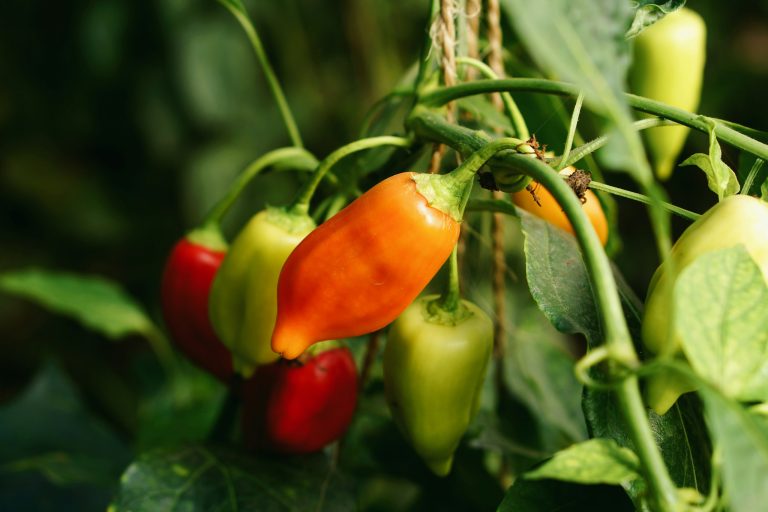
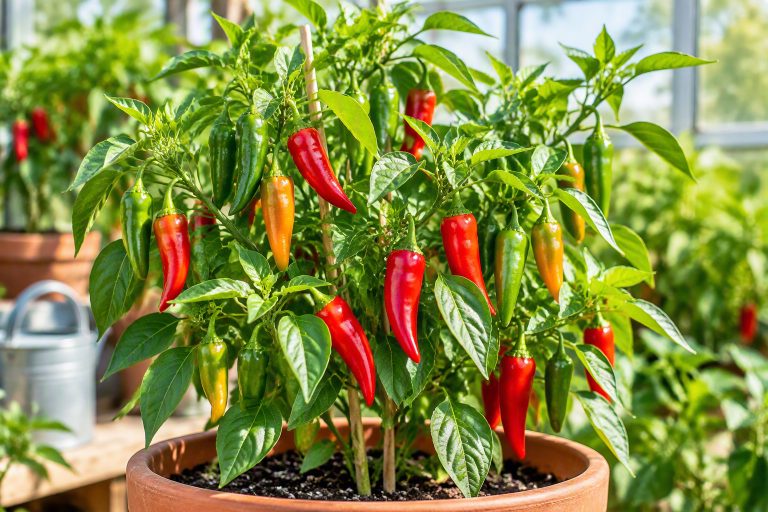
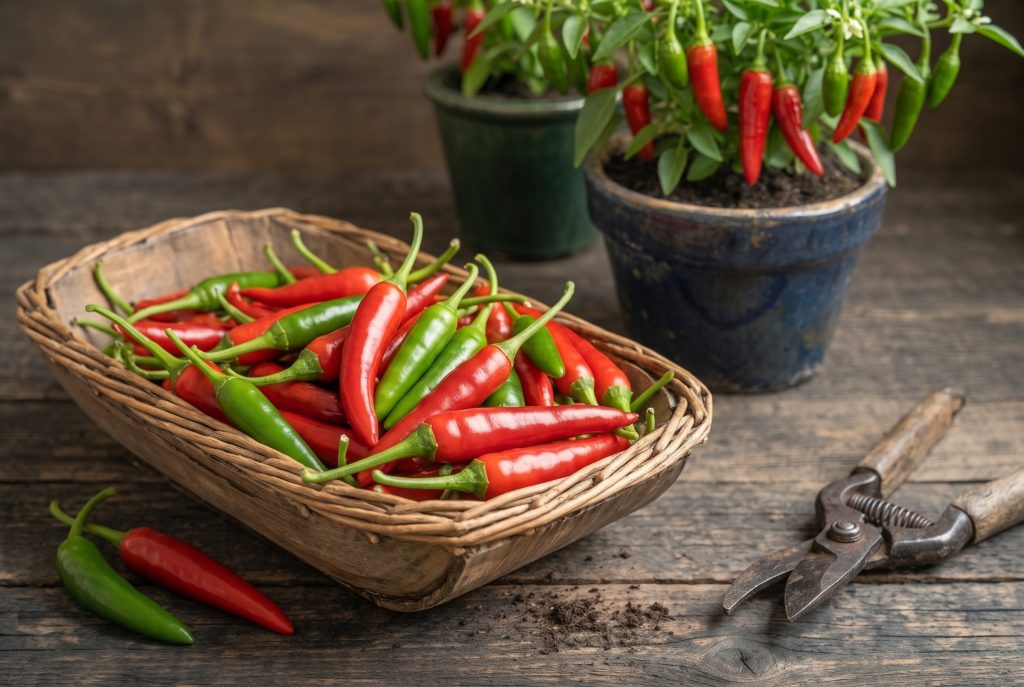
Pods reach full maturity when they turn their target final colour, feel firm to a gentle squeeze and show a waxy sheen. Choose firm, healthy pods and snip the stems cleanly with sharp scissors or secateurs 6–12 mm above the fruit, rather than pulling pods by hand, which can snap branches. When harvesting and handling super-hot varieties, wear nitrile gloves and safety goggles, never touch your face or eyes, ventilate any processing area, and sanitise chopping boards, knives and surfaces thoroughly afterwards.
Once picked, separate premium fresh pods, processing fruit, seed-saving specimens and damaged fruit. Refrigerate only clean, dry pods in a ventilated container, or process them promptly. Recording weights and dates is well worth the effort, because it shows which varieties are most productive and helps you plan future sowing and how much preserving you’ll need to do.
2. Drying, fermenting and preserving
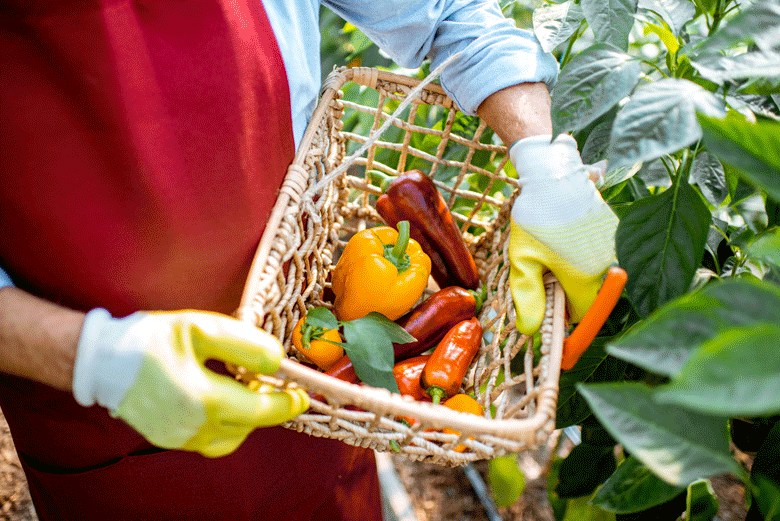
Thin-walled chillies can be air-dried in warm, dry, airy conditions, though an electric dehydrator set to 45–55°C is more dependable in the UK. Pods are finished only when completely brittle, and can then be ground into flakes or powders. Capsaicin dust becomes airborne when you grind, so always grind outdoors or in a very well-ventilated space while wearing a mask, gloves and goggles, and keep powders dry, dark and clearly labelled.
Freezing is the simplest alternative of all. Wash and thoroughly dry whole chillies, pop them into airtight freezer bags, and chop them straight from frozen whenever you are cooking.
Lactic fermentation can produce complex sauce bases, but it depends on proper sanitation, salt concentration, submersion and pH control. Always follow a tested food-preservation recipe for the salt percentage, typically a 2–3% brine, rather than improvising safety-critical ratios, and check the finished acidity with pH strips or a meter. A pH of 4.6 is the absolute upper safety limit, and bottled sauces should ideally be at pH 4.0 or lower. For quicker preserves, pickle sliced chillies in sterilised jars with hot spiced vinegar, or cook up sweet and spicy chilli jams.
Food safety. Chilli oils, bottled sauces and shelf-stable products can carry serious risks if incorrectly prepared. Oils infused with chillies carry a risk of botulism, so follow current UK food hygiene guidance whenever you make them. Use validated recipes, especially for anything intended for sale, and label every batch.
CHAPTER CHECKLIST
- Dry pods completely.
- Use tested fermentation and bottling methods.
- Label every batch, and note your harvest weights on the Chilli Grower’s Record Sheet.